Why Can Pigmentation Be Difficult to Treat?
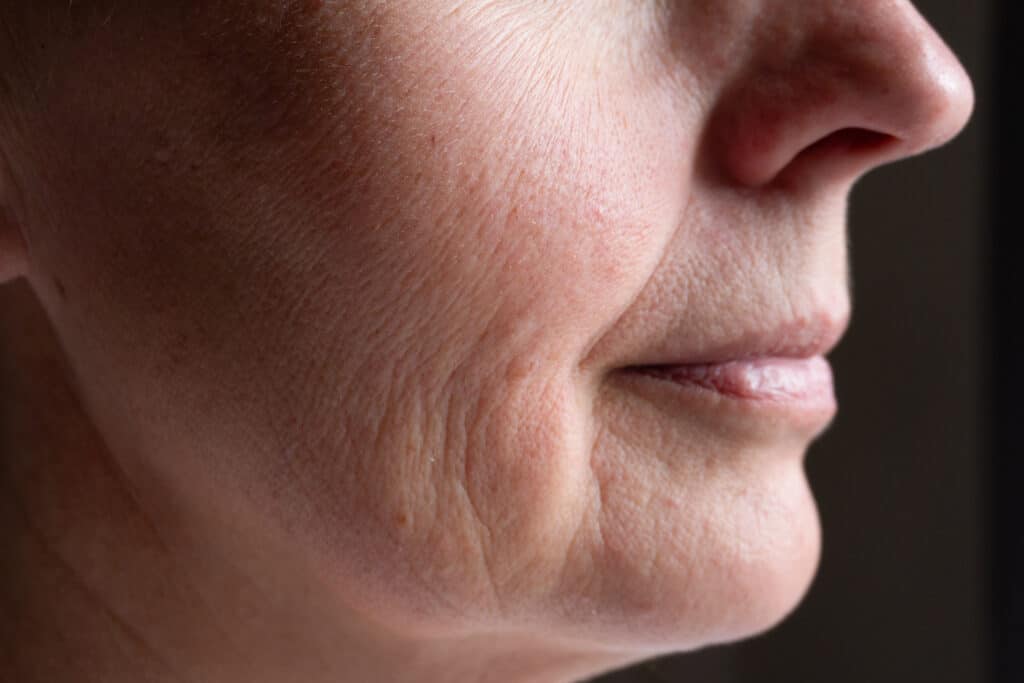
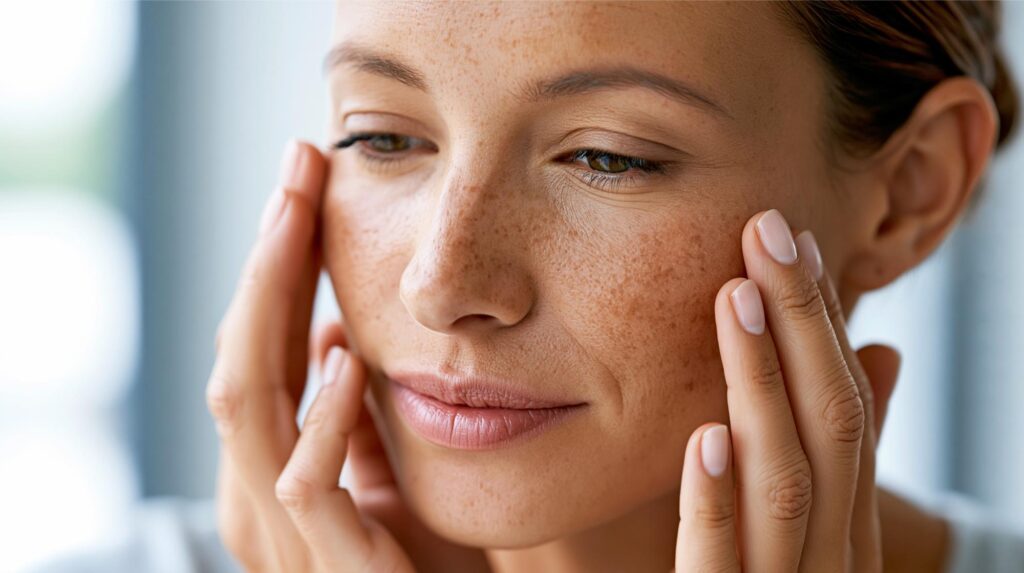
Pigmentation is a common concern for patients seeking aesthetic and dermatological treatment. While some pigment spots fade naturally over time, others can persist for months or even years, making them difficult to improve with skincare products alone.
Pigmentation occurs when excess melanin, the pigment responsible for skin colour, accumulates within the skin. This can happen for a variety of reasons, including:
- Sun exposure
- Hormonal changes
- Skin inflammation
- Ageing
- Previous acne
- Genetic factors
Because pigmentation can have different underlying causes, identifying the type of pigmentation is an important first step before choosing a treatment. One reason pigmentation can be challenging to treat is that different conditions develop at different depths within the skin. Some involve pigment closer to the surface, while others extend into deeper layers. The depth, distribution, and underlying cause of the pigmentation can all influence which treatment is appropriate.
Accurate diagnosis is therefore important, as treatments that are suitable for one type of pigmentation may not be appropriate for another.
What Is Pico Laser and How Does It Work?
Pico laser treatment is a laser technology that delivers ultra-short pulses of laser energy measured in picoseconds (one trillionth of a second).
Pico lasers deliver extremely short pulses of laser energy. At appropriate wavelengths and treatment settings, the rapid energy delivery can produce predominantly photoacoustic effects that fragment pigment particles into smaller fragments, which are subsequently cleared through the body’s natural processes.
Depending on the device and treatment settings, pico lasers may also stimulate collagen remodelling, making them useful for selected skin rejuvenation indications in addition to pigmentation management.
At Private Space Aesthetics & Wellness, treatment settings are customised according to the patient’s skin type, diagnosis, and treatment goals following a medical consultation.
What Types of Pigmentation May Pico Laser Help With?
Pico laser treatment may be considered for several types of pigmentation, depending on the clinical diagnosis and individual suitability.
Examples include:
Sun Spots (Solar Lentigines)
Often associated with cumulative ultraviolet (UV) exposure and ageing.
Freckles
Small pigmented spots that may become darker following sun exposure.
Post-Inflammatory Hyperpigmentation (PIH)
Pigmentation that develops after inflammation, such as acne or skin injury. PIH can develop after acne, eczema, irritation, burns, or other inflammation. Treatment needs to take into account the patient’s skin type and the underlying trigger, as overly aggressive treatment can sometimes worsen pigmentation.
Certain Pigmented Lesions
Some benign pigmented lesions may be suitable for laser treatment following a doctor’s assessment. Any new, changing or clinically suspicious pigmented lesion should be assessed appropriately before cosmetic laser treatment.
Selected Cases of Melasma
Melasma is a chronic and often recurrent pigmentary condition. Treatment may involve a combination of sun protection, topical or prescription therapies and, in selected patients, carefully considered laser-based treatments. Pico Laser may form part of a broader treatment plan for selected patients with melasma.
Not all pigmentary conditions are suitable for pico laser treatment, making an accurate diagnosis essential before proceeding.
Is Pico Laser Suitable for Stubborn Pigmentation?
Many patients seek pico laser treatment in Singapore because they have pigmentation that has not improved despite using skincare products or topical creams.
Whether pico laser is suitable depends on several factors, including:
- The type of pigmentation
- Pigment depth
- Skin type
- Medical history
- Previous treatments
- Individual treatment goals
In some cases, pico laser may be recommended as a standalone treatment. In others, combination treatment with topical medications, chemical peels, or other laser technologies may provide a more comprehensive approach.
A consultation allows your doctor to determine the underlying cause of pigmentation before recommending an appropriate treatment plan.
How Many Pico Laser Sessions Are Usually Needed?
No fixed number of pico laser treatments suits every patient.
The number of sessions depends on factors such as:
- Type of pigmentation
- Extent of pigmentation
- Depth of pigment
- Individual skin response
- Treatment objectives
Some superficial pigment conditions may respond more quickly than deeper or more complex pigmentation.
Because pigment is cleared gradually by the body’s natural processes, treatment is often performed over multiple sessions spaced appropriately according to your doctor’s recommendations.
Individual responses vary, and no specific number of treatments or treatment outcomes can be guaranteed. For some pigmentary conditions, treating too aggressively or too frequently may increase the risk of post-inflammatory pigmentation, so treatment intervals should be determined by the treating doctor.
Can Pigmentation Come Back After Pico Laser?
One of the most common questions patients ask is whether pigmentation will return after treatment.
The answer depends largely on the underlying cause of the pigmentation.
Certain conditions, particularly those influenced by sun exposure or hormones, may recur even after successful treatment.
To help reduce the risk of recurrence, your doctor may recommend:
- Daily broad-spectrum sunscreen
- Protective clothing and hats
- Avoiding excessive sun exposure
- Medical-grade skincare where appropriate
- Regular review appointments if indicated
What Should Patients Avoid After Pico Laser?
Proper aftercare plays an important role in supporting skin recovery following pico laser treatment.
Your doctor will provide personalised post-treatment instructions, which may include temporarily avoiding:
- Excessive sun exposure
- Tanning
- Saunas and hot baths
- Vigorous exercise or activities that cause significant heat or sweating for the period advised by your doctor
- Harsh exfoliating products
- Picking at treated skin
Patients should also continue using sunscreen consistently to protect the treated areas. Do not introduce new active skincare products unless advised by your doctor.
Recovery varies between individuals depending on the treatment settings and the condition being treated.
When Should You Consult a Doctor?
If you notice pigmentation that is becoming darker, changing in appearance, or not responding to skincare products, it is advisable to seek a professional assessment.
A consultation is also appropriate if you are experiencing:
- Persistent pigmentation after acne
- A pigmented spot that is changing in size, shape, or colour
- Uneven skin tone
- Recurrent pigmentation despite previous treatments
- Uncertainty about the cause of your pigmentation
At Private Space Aesthetics & Wellness, our doctors perform a detailed skin assessment to diagnose the underlying pigmentation before recommending the most appropriate treatment plan.
Treatment recommendations are individualised and may include pico laser, topical therapies, or other evidence-based options depending on your skin condition.
Concerned about stubborn or recurrent pigmentation? Book a consultation at Private Space Aesthetics & Wellness in Orchard. Our doctors can assess the type and underlying cause of your pigmentation before recommending whether Pico Laser or another treatment approach is appropriate.