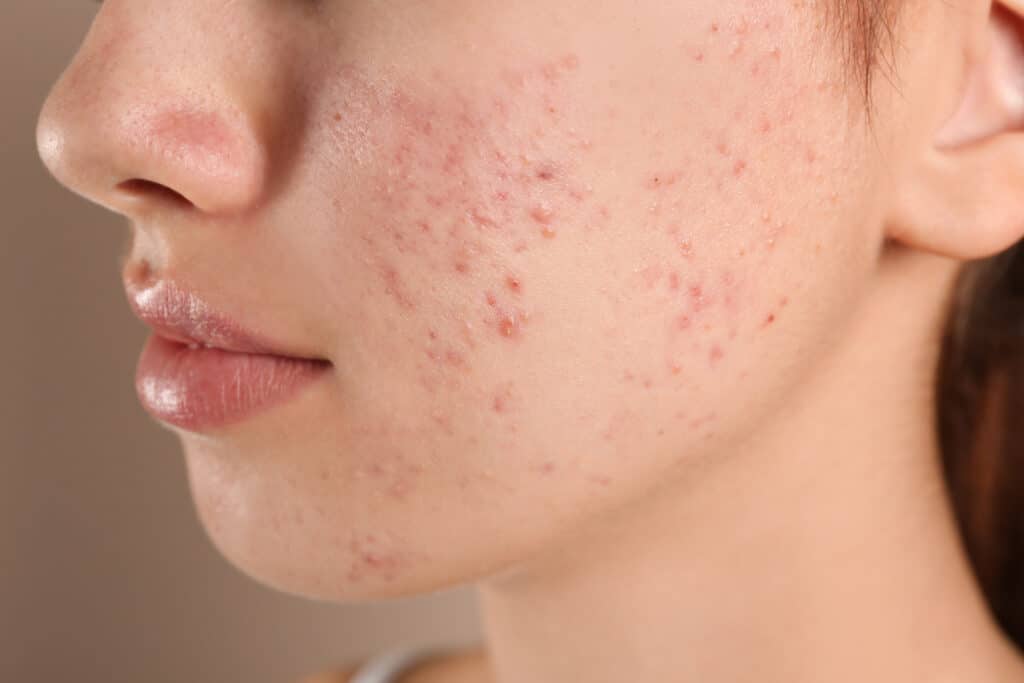
Acne is often thought of as something you outgrow after your teenage years. But for many people, breakouts continue well into adulthood—or seem to improve for a while, only to keep returning.
You clear one breakout, and another appears in the same area. You change your skincare routine, try new products, and still feel like your skin never fully settles.
Many patients describe the frustration the same way: “Why does my acne keep coming back?”
Persistent acne is rarely caused by just one issue. Hormones, oil production, clogged pores, inflammation, lifestyle habits, and inappropriate skincare can all contribute to repeated breakouts.
This is why acne treatment should not focus only on surface-level symptoms. Understanding what is driving the acne is often the most important step toward long-term improvement.
Whether you are dealing with adult acne, hormonal breakouts, painful cystic acne, or acne that simply never seems to fully resolve, knowing when to seek professional treatment can help prevent more stubborn skin problems later—especially acne scarring.
Here is why acne keeps returning, when professional treatment may be needed, and how to manage acne more effectively over time.
Why Acne Returns
Acne develops when oil, dead skin cells, bacteria, and inflammation affect the hair follicles and pores.
When these factors continue to repeat, acne also continues to return.
For some patients, breakouts are occasional. For others, acne becomes a persistent cycle that never fully clears.
Understanding what triggers this cycle helps guide better treatment choices.
Hormonal Fluctuations
Hormones are one of the most common reasons acne keeps returning, especially in adult acne.
Changes in androgen levels can increase oil production, making pores more likely to clog and become inflamed.
Hormonal acne often appears around:
- The jawline
- Chin
- Lower cheeks
- Neck
It may worsen during:
- Menstrual cycles
- Periods of stress
- Poor sleep
- Hormonal medication changes
- Polycystic ovary syndrome (PCOS)
- Pregnancy or postpartum changes
This is why many patients notice breakouts returning even when they are using good skincare.
Excess Oil Production
Sebum, or natural skin oil, helps protect the skin barrier.
However, when too much oil is produced, pores can become congested more easily.
This creates an environment where:
- Blackheads form
- Whiteheads develop
- Inflammatory acne becomes more likely
Oil production is influenced by hormones, genetics, humidity, stress, and skincare habits.
This is especially common in Singapore’s climate, where heat and humidity can worsen congestion.
Clogged Pores And Dead Skin Buildup
Your skin naturally sheds dead skin cells every day.
When these cells do not clear properly, they can mix with oil and block pores.
This leads to:
- Whiteheads
- Blackheads
- Congestion
- Recurrent breakouts
Heavy occlusive products, poor cleansing habits, and harsh skincare that disrupts the skin barrier can all worsen this cycle.
Sometimes the problem is not “dirty skin,” but impaired skin turnover and barrier imbalance.
Bacteria And Inflammation
Acne is also influenced by bacteria and the body’s inflammatory response.
When clogged pores trap oil and bacteria, the skin responds with redness, swelling, and inflamed breakouts.
This is when acne becomes:
- Painful
- Red
- Swollen
- Deep under the skin
- More likely to scar
Inflammation is often what turns a small breakout into a more persistent problem.
Managing inflammation early is one of the most important parts of preventing acne scarring.
Inconsistent Or Inappropriate Skincare
Many patients unintentionally worsen acne by using products that are too harsh, too heavy, or constantly changing routines.
Common issues include:
- Over-exfoliating
- Using strong active ingredients too aggressively
- Skipping moisturiser
- Using pore-clogging products
- Frequently switching skincare products
- Treating every breakout differently
More products do not always mean better results.
Sometimes, persistent acne is worsened by trying too many solutions at once.
Signs You May Need Professional Acne Treatment
Not every breakout requires clinical treatment.
However, when acne becomes persistent, painful, or starts affecting skin texture, professional care becomes much more important.
Early treatment often helps prevent longer-term complications like scarring and pigmentation.
Acne That Keeps Returning In The Same Areas
If breakouts repeatedly appear in the same locations—especially the jawline, chin, or cheeks—it often suggests an underlying trigger rather than occasional congestion.
Recurring acne usually indicates:
- Hormonal influence
- Chronic inflammation
- Persistent pore congestion
- Skin barrier imbalance
This is often a sign that skincare alone may not be enough.
Painful Or Deep Cystic Breakouts
Cystic acne is deeper, more inflamed, and often more painful than surface-level pimples.
These breakouts may feel:
- Tender to touch
- Swollen
- Firm under the skin
- Slow to resolve
Because cystic acne creates stronger inflammation, it carries a much higher risk of permanent acne scarring.
This is one of the clearest signs that professional acne treatment should be considered early.
Acne Not Improving With Skincare
If your acne is not improving despite consistent skincare, the issue may be deeper than topical products can address.
This is especially true when:
- Breakouts continue for months
- Prescription creams are not helping enough
- Acne worsens despite “good skincare”
- New breakouts appear faster than old ones heal
Treatment may need to address inflammation, bacteria, hormonal triggers, or scar prevention—not just surface oil control.
Early Acne Scarring Or Dark Marks
One of the most important reasons to seek treatment early is to prevent permanent acne scarring.
Signs include:
- Indented skin after breakouts
- Persistent red or brown marks
- Uneven texture
- Enlarged pores after acne heals
Post-inflammatory pigmentation may fade with time, but true acne scarring is much harder to reverse once established.
Can Acne Be Fully Cured?
Many patients ask the same question: “Can acne be permanently cured?”
The answer depends on what is causing the acne and how your skin behaves over time.
For many people, acne is better managed through long-term control rather than a one-time cure.
Why Acne Is Considered A Chronic Skin Condition
Acne is often considered a chronic inflammatory skin condition because the underlying triggers may continue even when the skin looks temporarily clear.
Hormones, oil production, skin turnover, and inflammation do not simply stop after one treatment.
This is why acne often improves, then returns later.
The goal is not just short-term clearing, but reducing the frequency and severity of future breakouts.
Long-Term Control Vs Permanent Cure
Some patients experience long periods of clear skin after treatment.
Others may need ongoing maintenance depending on hormonal patterns, genetics, or skin behaviour.
This is similar to managing pigmentation or skin sensitivity—control is often more realistic than permanent “cure.”
Effective acne treatment focuses on:
- Reducing active breakouts
- Preventing inflammation
- Minimising acne scars
- Supporting healthier long-term skin function
This creates more sustainable results.
Why Ongoing Maintenance May Be Needed
Even after acne improves, maintenance often matters.
This may include:
- Consistent skincare
- Professional extractions when needed
- Acne-focused laser treatments
- Barrier repair support
- Managing hormonal triggers
- Preventing post-acne pigmentation
Maintenance is not a sign that treatment failed—it is often what keeps results stable long term.
What Happens If Acne Is Left Untreated?
Persistent acne is not only a cosmetic concern.
Ongoing inflammation can affect skin quality, confidence, and long-term texture if left unmanaged.
The longer acne remains active, the harder it can become to fully reverse its effects.
Increased Inflammation And Breakouts
Untreated acne often becomes more inflammatory over time.
What begins as congestion may progress into:
- Larger breakouts
- More painful cysts
- Longer healing time
- More visible redness
Repeated inflammation increases the overall burden on the skin.
Higher Risk Of Acne Scarring
The strongest reason to treat acne early is scar prevention.
Every deep inflammatory breakout increases the risk of:
- Ice pick scars
- Boxcar scars
- Rolling scars
- Enlarged pores
- Uneven texture
Once acne scars form, treatment becomes more complex than treating active acne itself.
Prevention is always easier than correction.
Post-Inflammatory Pigmentation
Even when acne heals, it may leave behind dark marks that linger for months.
This is called post-inflammatory hyperpigmentation (PIH).
It is especially common in medium to deeper skin tones and can make the skin look uneven long after the breakout is gone.
Many patients feel their acne is “still there” because the pigmentation remains visible.
Worsening Skin Texture Over Time
Repeated acne and inflammation gradually affect overall skin quality.
This can lead to:
- Rougher texture
- Enlarged pores
- Uneven skin surface
- Loss of smoothness
- Reduced skin confidence
At this stage, treatment often needs to address both active acne and skin repair.
Visit An Aesthetic Clinic Today
At Private Space Aesthetics and Wellness, acne treatment begins with understanding—not assumptions.
Persistent acne is rarely caused by one issue alone. Hormones, inflammation, congestion, and skin barrier health often work together, which is why treatment should be personalised rather than reactive.
Our approach focuses on identifying what is driving your acne, reducing active breakouts safely, and protecting long-term skin quality—especially before scarring becomes permanent.
Whether you are dealing with adult acne, hormonal acne, cystic breakouts, or acne that keeps returning despite skincare, early professional treatment can make a meaningful difference.
If your acne is not improving, a personalised consultation can help guide the right next step.