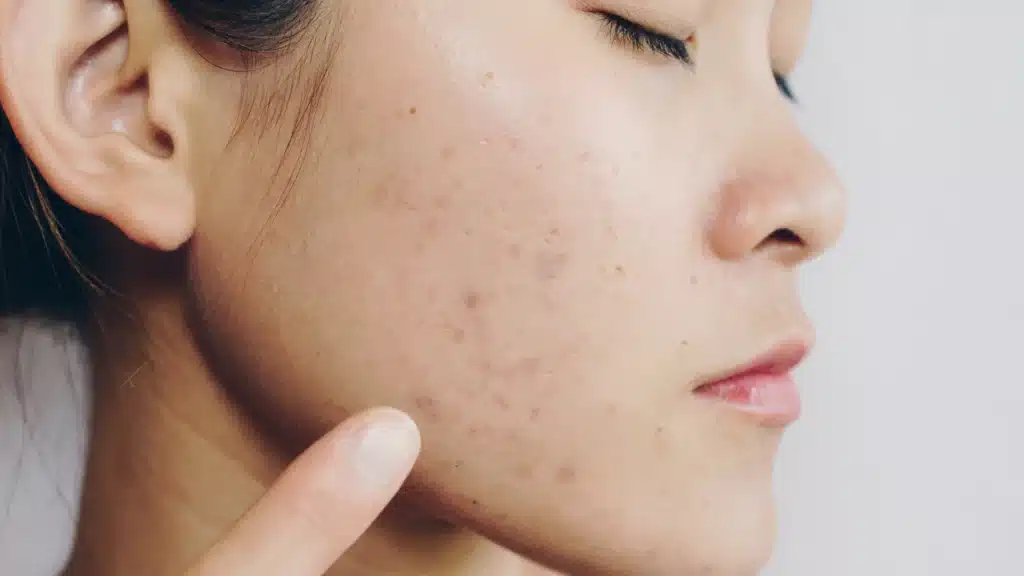
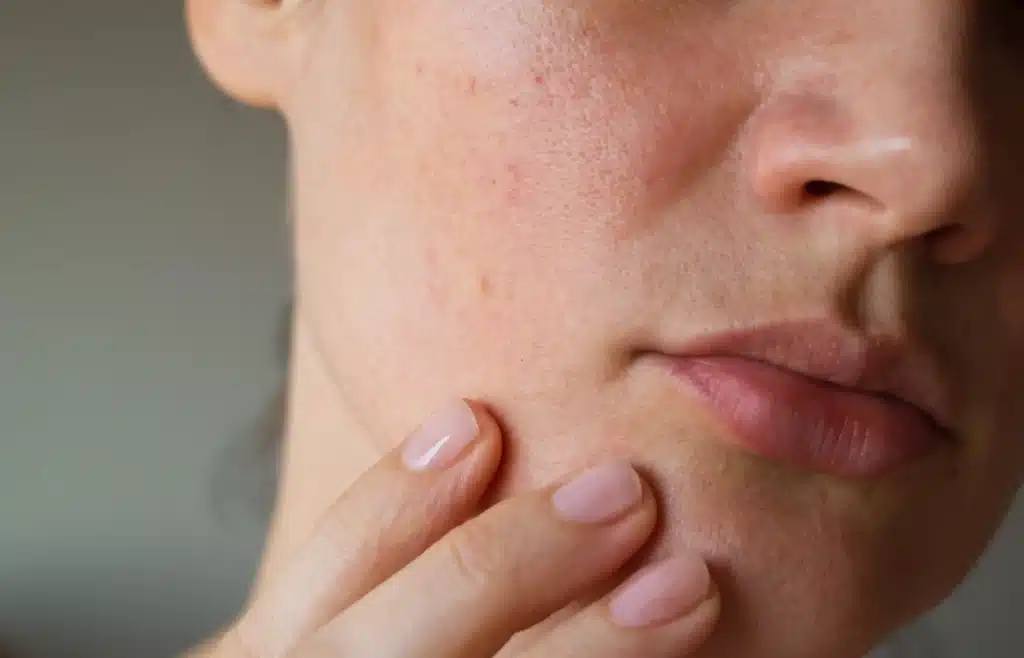
Pigmentation on the cheeks often starts quietly.
It may appear as uneven skin tone, faint brown patches that seem harder to cover with makeup, or dark spots that become more noticeable in certain lighting. For some, it develops after acne or irritation. For others, it appears gradually with sun exposure, hormonal changes, or age.
Many patients describe it the same way: “My skin looks dull, uneven, or older than I feel.”
Cheek pigmentation is one of the most common skin concerns because the cheek area is constantly exposed to sunlight and environmental stress. It is also where melasma, sun spots, and post-inflammatory pigmentation often become most visible.
The challenge is that not all pigmentation is the same.
Different types of pigmentation develop for different reasons, which means treatment should never be one-size-fits-all. What works for sun spots may not be suitable for melasma, and treating the wrong cause can sometimes worsen the condition.
Understanding what type of pigmentation you have is the first step toward choosing the right treatment.
Here is what causes cheek pigmentation, the different types to look out for, and how professional treatment can help restore clearer, more even-looking skin.
Why You Are Getting Pigmentation on Your Cheeks
Pigmentation happens when the skin produces excess melanin, the natural pigment responsible for skin colour.
When melanin production becomes uneven or excessive, dark patches, brown spots, or uneven skin tone can develop—especially on the cheeks, where sun exposure is highest.
This can happen for several reasons, and in many cases, more than one factor is involved.
Understanding the cause is important because successful pigmentation treatment depends on treating the trigger, not just the visible spot.
Sun Exposure And UV Damage
Sun exposure is one of the most common causes of pigmentation on the cheeks.
Ultraviolet (UV) radiation stimulates melanocytes, the cells responsible for producing pigment. Over time, repeated exposure causes excess melanin to build up, leading to dark spots, sun spots, and uneven skin tone.
Even brief daily exposure adds up.
This includes:
- Walking outdoors
- Driving
- Sitting near windows
- Outdoor exercise
- Every day errands without sunscreen
UV damage also worsens existing pigmentation, such as melasma, making prevention just as important as treatment.
Hormonal Changes
Hormonal changes can trigger a specific type of pigmentation known as melasma.
This often appears as symmetrical brown or grey-brown patches across the cheeks, forehead, or upper lip.
Common hormonal triggers include:
- Pregnancy
- Birth control pills
- Hormonal fluctuations
- Thyroid-related changes
- Stress-related hormonal shifts
Melasma can be more challenging to treat because it is often influenced by both hormones and sun exposure at the same time.
This is why treatment needs to be more careful and personalised.
Post-Inflammatory Pigmentation
Post-inflammatory hyperpigmentation (PIH) develops after the skin experiences inflammation or injury.
This commonly happens after:
- Acne breakouts
- Eczema flare-ups
- Skin irritation
- Aggressive facials
- Picking or squeezing pimples
- Inflammatory skin treatments
Once the inflammation settles, the skin may leave behind a dark mark that lingers for weeks or months.
This type of pigmentation is especially common in darker skin tones, where pigment-producing cells are more reactive.
Genetics And Skin Type
Some people are naturally more prone to pigmentation.
Genetic influence:
- How easily your skin produces pigment
- Your tendency toward melasma
- Freckling patterns
- Sensitivity to sun exposure
- Post-inflammatory pigmentation risk
Patients with medium to deeper skin tones often experience stronger pigment responses after inflammation or UV exposure.
This does not mean pigmentation is unavoidable, but it does mean prevention becomes even more important.
Ageing-Related Pigmentation
As skin ages, pigment changes often become more noticeable.
Years of cumulative sun exposure can lead to:
- Sun spots
- Uneven skin tone
- Dullness
- Patchy pigmentation
- Rougher skin texture
At the same time, collagen loss and slower skin renewal can make pigmentation appear more persistent.
This is why pigmentation concerns often increase in the thirties, forties, and beyond.
Types Of Pigmentation That Affect The Cheeks
Not all dark spots are the same.
Different pigmentation types require different treatment strategies, and accurate diagnosis is one of the most important parts of effective skin treatment.
Melasma
Melasma usually appears as larger, patchy areas of pigmentation rather than isolated spots.
It often affects:
- Both cheeks
- Forehead
- Upper lip
- Jawline
The colour is often brown, grey-brown, or diffuse rather than sharply defined.
Melasma is commonly linked to hormones, sun exposure, and heat, and it tends to recur easily if triggers are not managed.
Because of this, treatment often requires a long-term strategy rather than a quick fix.
Sun Spots (Solar Lentigines)
Sun spots, also called solar lentigines, are flat, well-defined brown spots caused by long-term UV exposure.
They are commonly seen on:
- Cheeks
- Temples
- Forehead
- Nose
- Hands
Unlike melasma, sun spots are usually individual spots rather than larger patches.
They become more common with age and are often one of the most visible signs of photoageing.
Post-Inflammatory Hyperpigmentation
PIH appears after inflammation has healed, but leaves pigment behind.
These spots are often darker than the surrounding skin and may follow the pattern of previous acne, irritation, or inflammation.
The pigmentation itself is not an active disease, but it can take a long time to fade without treatment.
This is especially frustrating for patients who feel the original skin issue has already resolved.
Freckles And Uneven Skin Tone
Freckles are usually smaller, lighter brown spots that become darker with sun exposure.
They are often genetic and may fade when sun exposure decreases.
Uneven skin tone can also appear without obvious spots, where the skin looks dull, patchy, or less radiant overall.
This often reflects a combination of mild pigmentation, sun damage, and skin texture changes rather than one isolated issue.
Treatment Options For Cheek Pigmentation
The best pigmentation treatment depends on the type of pigmentation, how deep it sits in the skin, and what is triggering it.
Treating pigmentation successfully is not simply about removing dark spots—it also involves preventing recurrence and protecting long-term skin health.
Laser Treatment For Pigmentation
Laser treatment is commonly used for pigmentation because it targets excess pigment more precisely than topical skincare alone.
Different lasers may be used depending on the concern, such as:
- Melasma
- Sun spots
- PIH
- Uneven skin tone
- General skin brightening
The goal is not aggressive removal, but controlled pigment management that supports clearer and more even skin over time.
For melasma, especially, overly aggressive treatment can worsen pigmentation, which is why professional assessment matters.
Treatment planning should always consider skin type, pigment depth, and the underlying trigger—not just what is visible on the surface.
Combination Treatments For Better Skin Tone
In many cases, pigmentation responds best to a combination approach rather than a single treatment.
This may include:
- Laser treatment for pigmentation
- Medical-grade skincare
- Barrier repair support
- Sun protection strategies
- Collagen-stimulating treatments where needed
For example, pigmentation often appears alongside dullness, enlarged pores, or uneven texture. Addressing both pigment and skin quality can create more balanced and natural-looking results.
At Private Space Aesthetics and Wellness, treatment planning focuses on understanding the cause first, then selecting the right combination of treatments for clearer, healthier-looking skin.
How To Prevent Pigmentation From Returning
Pigmentation treatment does not end after the laser session.
Long-term improvement depends heavily on prevention, especially for conditions like melasma that can recur easily.
Managing triggers is often just as important as the treatment itself.
Daily Sunscreen Use
Sunscreen is one of the most important steps in pigmentation management.
Without proper UV protection, pigment often returns quickly—even after successful treatment.
Daily sunscreen helps reduce:
- New pigmentation formation
- Worsening of melasma
- Recurrence after laser treatment
- Ongoing UV-related collagen damage
Consistency matters more than occasional use.
Even indoor light exposure and short outdoor activities can contribute over time.
Avoiding Excess Sun Exposure
Reducing direct sun exposure helps prevent repeated pigment stimulation.
Simple habits can make a significant difference:
- Wearing hats outdoors
- Seeking shade during peak sun hours
- Reapplying sunscreen consistently
- Avoiding unnecessary heat exposure where possible
This is especially important for patients managing melasma.
Skincare Consistency
Medical-grade skincare can help support pigmentation control between treatments.
This may include ingredients such as:
- Vitamin C
- Retinoids
- Tranexamic acid
- Azelaic acid
- Niacinamide
These ingredients help support skin turnover, pigment regulation, and barrier repair.
However, treatment should be chosen carefully, as overly harsh products may worsen sensitivity and trigger more pigmentation.
Managing Triggers Like Heat And Hormones
Some pigmentation conditions—especially melasma—are influenced by more than UV exposure alone.
Heat, hormonal fluctuations, stress, and inflammation can all contribute.
This is why some patients notice pigmentation worsening during:
- Pregnancy
- Travel to hot climates
- Intense exercise with heat exposure
- Hormonal medication use
- Periods of high stress
Identifying these triggers helps create a more sustainable long-term treatment plan.
When Should You See A Doctor?
If pigmentation is becoming more noticeable, recurring despite skincare, or affecting your confidence, it may be time for a professional assessment.
This is especially important if:
- Dark patches are spreading
- Pigmentation keeps returning
- You are unsure if it is melasma or sun damage
- Over-the-counter skincare is not helping
- Previous laser treatments have not worked well
Not all pigmentation should be treated the same way.
At Private Space Aesthetics and Wellness, pigmentation treatment begins with understanding—not assumptions.
Our approach focuses on identifying the true cause of pigmentation, protecting long-term skin health, and creating natural-looking clarity rather than aggressive short-term correction.
If you are concerned about dark spots, cheek pigmentation, melasma, or uneven skin tone, a personalised consultation can help guide the right next step.