Why Can Dry Skin Be Difficult to Manage?
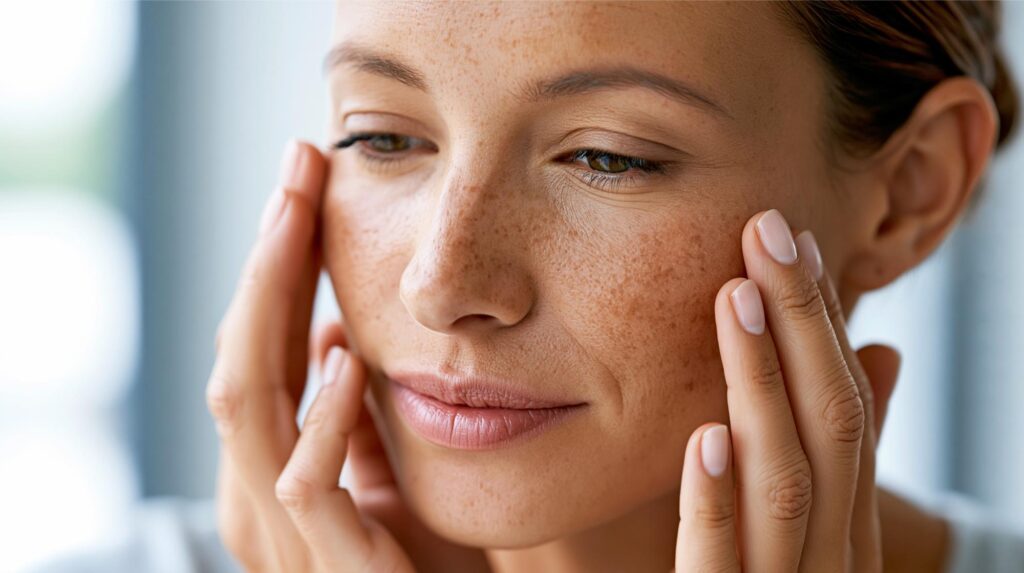
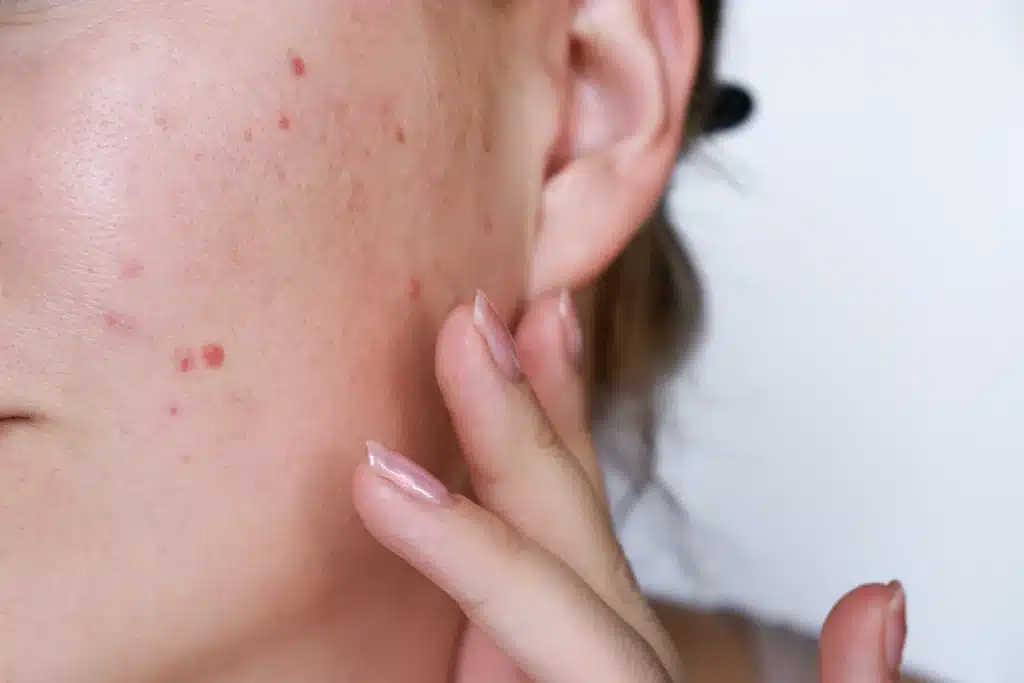
Dry skin is a common concern that can leave the skin feeling tight, rough or flaky. While moisturisers and gentle skincare products can help maintain hydration, some people continue to experience dryness or uneven skin texture despite their regular routine.
Dry skin, also known as xerosis, can develop for several reasons, including environmental exposure, frequent cleansing, ageing and disruption of the skin’s protective barrier.
When the skin barrier does not retain moisture effectively, the skin may become increasingly dry and sensitive. Dead skin cells can also accumulate on the surface, contributing to a rough appearance.
Because dryness can have different underlying causes, identifying the nature of the concern is important before choosing a treatment. A facial that includes exfoliation and hydration may be an option for selected individuals, but it may not be appropriate for skin that is already irritated or inflamed.
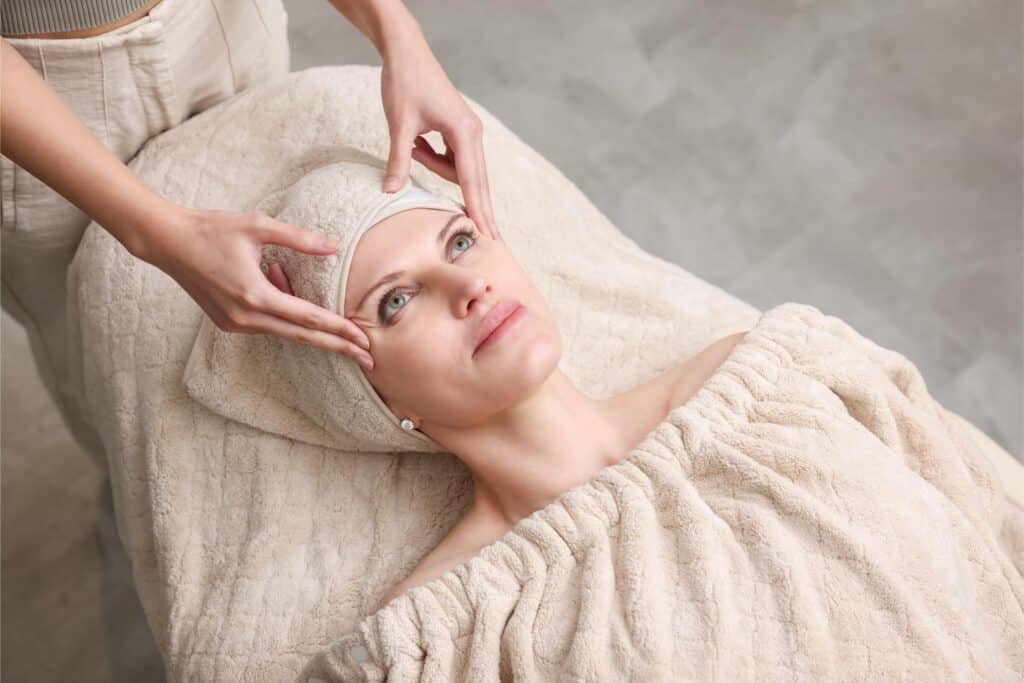
Hydrafacial is a multi-step facial treatment that combines cleansing, exfoliation, pore extraction and hydration. Understanding how it works can help you determine whether it may be suitable for your skin concerns.
What Is Dry Skin (Xerosis)?
Dry skin, medically known as xerosis, occurs when the outermost layer of the skin does not retain sufficient moisture. Reduced natural skin lipids and changes in the skin barrier can contribute to moisture loss.
Common signs of dry skin include:
- Tightness after cleansing or bathing
- Flaking or visible scaling
- Rough skin texture
- Itching or irritation
- Fine lines that appear more noticeable when the skin is dry
Several factors can contribute to xerosis, including frequent hot showers, harsh cleansing products, air-conditioned environments, ageing and certain skin conditions.
It is also important to distinguish dry skin from dehydrated skin. Dry skin generally refers to a condition associated with insufficient natural oils, while dehydration refers to insufficient water in the outer layers of the skin. The two can occur together.
Gentle cleansing and regular moisturising are important for supporting the skin barrier. If dryness persists despite appropriate skincare, or is accompanied by significant redness, itching or cracking, a medical assessment may help identify the underlying cause.
How Does Hydrafacial Work?
Hydrafacial is a non-invasive facial treatment that combines several skincare steps using specialised device technology. Its vortex-fusion system is designed to cleanse and exfoliate the skin, assist with pore cleansing and deliver hydrating skincare solutions.
The treatment generally involves the following steps.
Cleansing and exfoliation
The skin is cleansed to remove surface impurities, followed by exfoliation to help loosen and remove dead skin cells. This may improve surface smoothness, although the degree of exfoliation should be considered carefully for dry or sensitive skin.
Pore cleansing and extraction
Device-assisted suction helps remove debris from pores. This step is primarily intended to address congestion rather than the underlying causes of dry skin.
Hydration infusion
Hydrating solutions are applied to the skin. Depending on the formulation used, ingredients such as hyaluronic acid may help attract and retain water at the skin’s surface, temporarily improving skin softness and suppleness.
Customised treatment options
Depending on the treatment protocol, additional options such as selected boosters or LED therapy may be available. These should be considered according to individual skin concerns and suitability.
At Private Space Aesthetics and Wellness, the suitability of Hydrafacial should be considered in relation to your skin condition, sensitivity and treatment goals.
Can Hydrafacial Help With Dry Skin?
Hydrafacial may be considered by individuals concerned about surface roughness, dullness or dehydration. Its hydration step may temporarily improve skin comfort, while exfoliation may help remove accumulated dead skin cells.
However, Hydrafacial does not treat the underlying causes of xerosis. It should not replace regular moisturising or appropriate care for an underlying skin condition.
For people with dry skin, the condition of the skin barrier is an important consideration before undergoing exfoliation. If the skin is already inflamed, cracked or irritated, exfoliation may aggravate existing symptoms.
Hydrafacial may therefore be more appropriate for selected individuals whose skin can tolerate the treatment, rather than those experiencing an active flare-up of eczema or significant skin irritation.
The expected response also varies according to the treatment protocol, skincare products used and individual skin condition. A facial should not be expected to resolve persistent dryness or other symptoms caused by an underlying dermatological condition.
How Can You Care for Dry Skin Before and After Hydrafacial?
Appropriate skincare before and after treatment can help minimise irritation and support the skin barrier.
Before Hydrafacial
Your practitioner may recommend temporarily avoiding potentially irritating products, such as retinol or glycolic acid, depending on your skincare routine and the treatment protocol.
It is also important to disclose any existing skin conditions, allergies, medications and recent aesthetic procedures. If your skin is experiencing significant redness, burning, cracking or inflammation, treatment may need to be postponed until the skin has been assessed.
After Hydrafacial
Your aftercare routine may include:
- Applying a suitable moisturiser regularly to help reduce moisture loss
- Using broad-spectrum sunscreen during the day
- Avoiding excessive exfoliation or introducing multiple active skincare products immediately after treatment
- Following personalised aftercare instructions from your practitioner
Mild redness or irritation may occur in some individuals. If symptoms are significant or persistent, seek appropriate medical advice.
Consistent home skincare remains important because a facial alone cannot address every factor that contributes to dry skin.
Is Hydrafacial Right for Your Skin?
Hydrafacial may be an option to discuss if you are concerned about surface roughness, dehydration or mild pore congestion. However, suitability depends on your skin condition, sensitivity, medical history and treatment goals.
Before proceeding, consider whether your main concern is dryness, dehydration, congestion or an underlying skin condition. These concerns may require different approaches.
For example, skin that is persistently dry or affected by eczema may need barrier-supportive care before exfoliation is considered. Similarly, severe itching, painful cracks or recurring inflammation may warrant medical assessment rather than a cosmetic facial.
At Private Space Aesthetics and Wellness, a consultation can help assess your skin concerns and determine whether Hydrafacial or another skincare approach may be appropriate.
Not every skin concern requires an aesthetic treatment. Identifying the underlying cause of persistent dryness is an important step towards choosing suitable care.
Frequently Asked Questions
Can Hydrafacial treat dry skin?
Hydrafacial includes a hydration step that may temporarily improve skin moisture and comfort. However, it does not treat the underlying causes of xerosis. Regular moisturising and appropriate skincare remain important for managing dry skin.
Is Hydrafacial suitable for sensitive skin?
Suitability depends on the degree of sensitivity and whether the skin is currently irritated or inflamed. Exfoliation may aggravate certain skin conditions, so a suitability assessment is advisable before treatment.
How can I maintain skin hydration after Hydrafacial?
Use a gentle cleanser, apply a suitable moisturiser regularly and wear broad-spectrum sunscreen daily. Avoid excessive exfoliation and follow your practitioner’s aftercare instructions.
When Should You Consult a Doctor?
If your skin remains dry despite regular moisturising, or you experience persistent itching, redness, scaling or painful cracks, a medical assessment may help identify the underlying cause.
A consultation is also appropriate if you are unsure whether your skin is suitable for exfoliating treatments or if previous facials have caused irritation.
At Private Space Aesthetics and Wellness, discussing your skin concerns, skincare routine and medical history can help determine whether Hydrafacial is suitable or whether another approach should be considered.
Treatment recommendations should be individualised according to your skin condition and needs.
Concerned about persistent dry skin or considering Hydrafacial? Book a consultation at Private Space Aesthetics and Wellness in Orchard to discuss your skin concerns and whether this treatment or another approach may be appropriate.