Why Acne Scars and Enlarged Pores Can Be Difficult to Improve
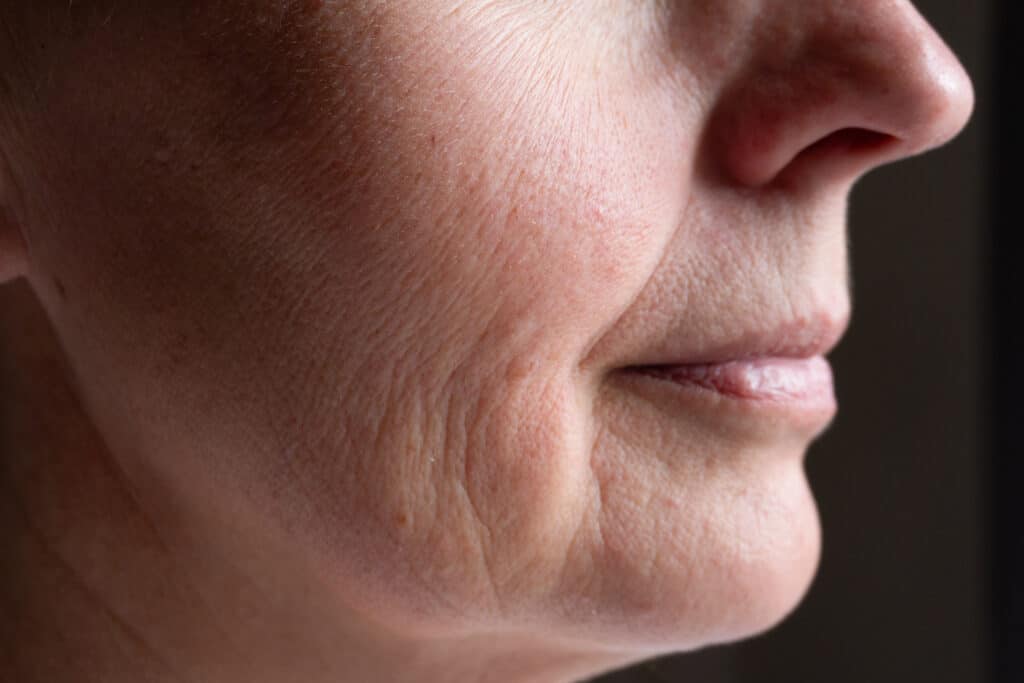
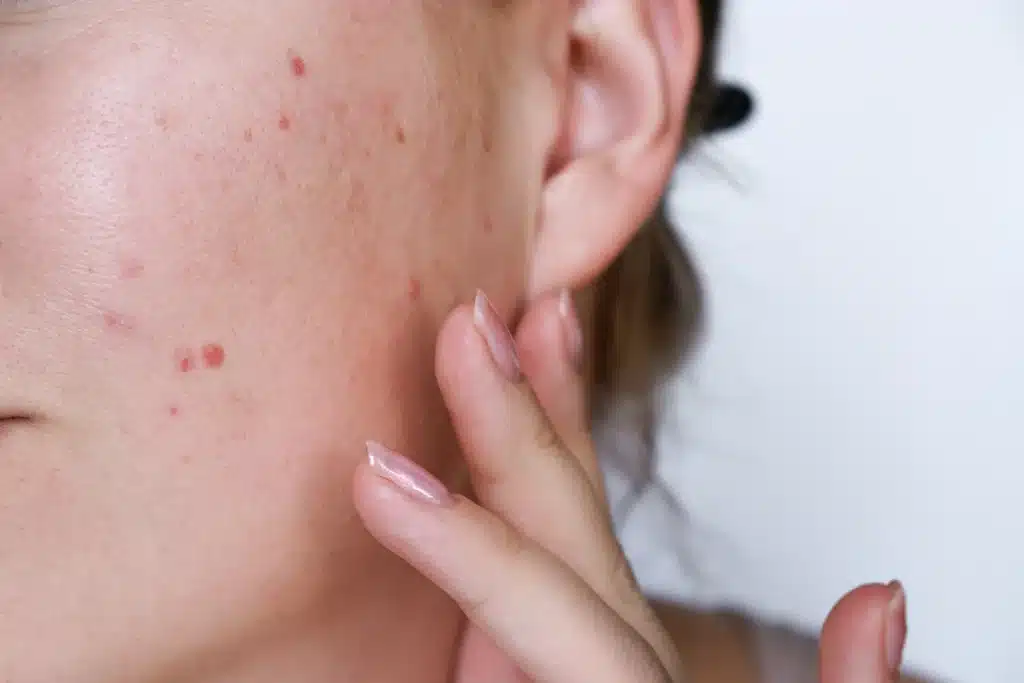
Acne may resolve over time, but the changes it leaves behind can persist long after breakouts have cleared. Two concerns that can persist after acne are acne scarring and more visible pores, both of which can affect overall skin texture and appearance.
These concerns can be challenging to improve because their appearance may be influenced by changes in the deeper structure and support of the skin, rather than the surface alone.
Acne scars may develop when inflammation damages the skin’s collagen framework during healing. Depending on the severity of the inflammation, this can lead to different types of scars, including:
- Rolling scars
- Boxcar scars
- Ice-pick scars
- Mixed acne scars
Most of these are atrophic acne scars, where there is a depression or loss of normal skin volume. Raised scars such as hypertrophic scars and keloids are different and require a different treatment approach.
Similarly, enlarged pores are influenced by several factors, including:
- Genetics
- Excess sebum production
- Ageing and collagen loss
- Previous acne
- Sun damage
- Reduced skin elasticity
Because these concerns involve structural changes within the skin, they often require treatments that target deeper tissue layers rather than surface skincare products alone.
What Is RF Microneedling?
RF microneedling, also known as radiofrequency microneedling or microneedling RF, combines two established treatment technologies into a single procedure.
The treatment uses:
- Fine sterile microneedles to create controlled microchannels within the skin.
- Radiofrequency (RF) energy is delivered through the needles into selected tissue depths.
This combination is designed to stimulate the skin’s natural healing response while delivering controlled thermal energy beneath the skin surface.
The treatment is intended to stimulate controlled tissue responses and support collagen remodelling over time, which may improve aspects of skin texture and quality.
Unlike treatments that primarily target the skin surface, RF microneedling is intended to address changes occurring within the deeper layers of the skin.
At Private Space Aesthetics & Wellness, RF microneedling treatments such as Sylfirm X are selected and customised according to the patient’s skin condition, treatment goals, and clinical assessment.
How RF Microneedling May Help Acne Scars
Acne scars vary considerably from one individual to another. Their appearance depends on factors such as scar type, depth, and the amount of collagen loss.
RF microneedling may be particularly useful for certain atrophic acne scars, including rolling and some boxcar scars, where improving collagen remodelling and overall skin texture is an appropriate treatment goal. Deep ice-pick scars, tethered scars and raised scars may require other procedures or a combination approach.
For tethered rolling scars, subcision may be considered to release fibrous bands beneath the scar. RF microneedling may then be used to address the surrounding skin texture and support collagen remodelling.
Potential treatment goals may include improving the appearance of:
- Rolling acne scars
- Boxcar scars
- Mild textural irregularities
- Uneven skin texture
- Overall skin quality
Some patients may benefit from a combination approach, depending on the type and severity of their scars. Depending on the type and severity of the scars, your doctor may recommend combining RF microneedling with treatments such as:
- Subcision
- Fractional laser resurfacing
- Skin boosters
- Chemical peels
- Other evidence-based procedures where appropriate
The most suitable treatment plan depends on an individual medical assessment.
How RF Microneedling May Help Enlarged Pores
Enlarged pores are often associated with reduced skin elasticity and changes in collagen support surrounding the hair follicle openings.
By supporting collagen remodelling within the skin, RF microneedling may help improve overall skin texture, which may contribute to a less prominent appearance of enlarged pores in suitable patients.
Treatment is commonly considered for patients with:
- Enlarged facial pores
- Uneven skin texture
- Post-acne textural changes
- Mild skin laxity
It is important to note that pore size is influenced by genetics and other biological factors. No treatment can permanently eliminate pores, and individual outcomes vary.
The goal is generally to make pores appear less prominent by improving skin texture and quality, rather than to eliminate pores.
What Happens During the Treatment?
Before treatment, your doctor will assess your skin and discuss whether RF microneedling is appropriate for your concerns.
A topical anaesthetic cream is usually applied beforehand to improve comfort.
During the procedure:
- A sterile microneedling handpiece is applied to the treatment area.
- Fine needles create controlled microchannels within the skin.
- Radiofrequency energy is delivered to selected tissue depths.
- Treatment parameters are adjusted according to the treatment area and individual skin condition.
The procedure duration depends on the size of the treatment area.
Following treatment, patients may experience temporary:
- Redness
- Mild swelling
- Warmth
- Sensitivity
These effects usually improve over time. Your doctor will provide personalised aftercare instructions and advise when normal skincare routines can be resumed.
How Many Sessions May Be Needed?
The number of RF microneedling treatments varies according to:
- The severity of acne scars
- Degree of pore enlargement
- Skin condition
- Individual treatment goals
- Response to treatment
Because collagen remodelling is a gradual biological process, improvements typically develop progressively over several weeks to months.
A series of treatments may be recommended depending on the condition being treated and the desired outcome.
No specific number of sessions or treatment outcomes can be guaranteed, as responses vary between individuals.
RF Microneedling vs Laser: Which Is More Suitable?
RF Microneedling
RF microneedling may be considered for suitable patients with concerns such as:
- Acne scars
- Enlarged pores
- Mild skin laxity
- Uneven skin texture
- General skin rejuvenation
Laser Treatments
Laser treatments may be more appropriate for concerns including:
- Pigmentation
- Sun damage
- Fine wrinkles
- Certain types of acne scars
- Skin resurfacing
In many cases, these treatments are not alternatives but complementary procedures. Neither treatment is universally better. The choice depends on scar type, skin type, downtime tolerance, pigmentation risk and treatment goals.
Some patients may benefit from combination treatment plans that address multiple aspects of skin ageing or acne scarring.
During your consultation, your doctor will recommend the most appropriate approach based on your skin condition, medical history, and treatment objectives.
Not sure whether RF Microneedling is suitable for your acne scars or pores? Speak with Private Space Aesthetics in Orchard for a personalised assessment.