TL;DR
- One treatment, many fixes: From stubborn acne scars and fine lines to sagging skin and enlarged pores, RF microneedling is designed to tackle multiple concerns at once.
- Surface + structure repair: Tiny microneedles renew the skin’s surface while radiofrequency tightens the layers beneath—a double boost for firmer and more radiant skin.
- Results that build: You should have a glow within weeks, noticeable tightening after 3–4 sessions, and results that last months when paired with good skincare and sun protection.
Is RF microneedling the right investment for your skin? With numerous treatments available, it can be challenging to determine which one yields visible, lasting results.
RF microneedling offers a targeted, non-invasive approach that works beneath the surface to strengthen your skin’s structure while improving its overall appearance. In a busy city like Singapore, where lifestyle, climate, and stress can take a toll on your complexion, a treatment that addresses multiple concerns in one session can be especially appealing.
But how much does it align with your skin goals? This guide will help you decide.
What Skin Concerns Can RF Microneedling Treat?
RF microneedling is a versatile skin treatment that can help when persistent skin issues have affected your confidence and appearance. In Singapore, many people face a combination of these issues:
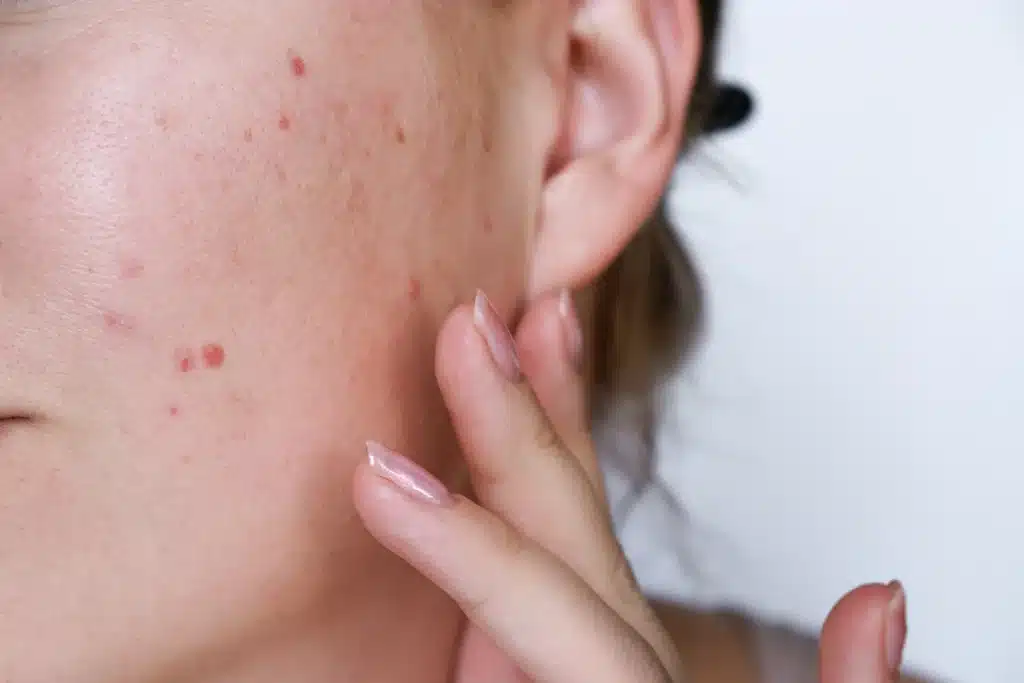
Post-Acne Marks and Scarring
With our humid weather, you may experience frequent breakouts, especially if you’re prone to acne. Hormonal changes also play a role in recurring flare-ups.
While makeup may help to cover blemishes or marks temporarily, heavy use in hot weather can block pores and worsen breakouts. Even after your acne clears, scars may linger, leaving the surface uneven.
Early Ageing Signs
Stressful work schedules, lack of sleep, and constant UV exposure from Singapore’s year-round sun all speed up the breakdown of collagen—the protein that keeps skin firm and elastic.
As collagen levels drop, skin loses its bounce, and fine lines and wrinkles start to form. This can leave your complexion looking more tired and older than it really is.
Visible Pores and Rough Skin Texture
Excess sebum production—common in hot climates—can make your pores look larger. Ageing and sun exposure also weaken the skin’s support structure, causing pores to stretch over time. For some, genetics or hormonal shifts also play a role.
Heavy makeup and clogged pores can further roughen your skin, leaving it looking textured and uneven.
Loss of Firmness
Ageing, weight fluctuations, and lifestyle habits such as frequent late nights can affect your skin’s elasticity, causing your skin to sag, especially around the jawline and cheeks. This can alter the natural shape of your face and influence how comfortable you feel in your own skin.
Dull and Fatigued Skin
Constant exposure to environmental stressors like UV rays, pollution, and even long hours in air-conditioned spaces slows down our skin renewal. This can leave your complexion looking flat and lacking radiance — worsened by fatigue, poor hydration, and the build-up of dead skin cells over time.
Together, these factors affect your skin’s health over time, slowly dimming its natural radiance.
Got one or more of these concerns and don’t know where to start? Contact us today to find a personalised solution.
What are the Benefits of Combining RF and Microneedling?
RF microneedling helps counter skin damage and the effects of daily stressors by combining two non-invasive treatments with distinct roles:
- Microneedling: Tiny, controlled needles create micro-channels in the skin. These micro-injuries activate your body’s natural healing response, which stimulates new collagen and elastin production. The process also improves skin cell turnover, improving texture and absorption of topical serums applied during treatment.
- Radio Frequency (RF): At the same time, radio frequency energy is delivered through the microneedles into deeper skin layers. The controlled heat contracts existing collagen fibres and stimulates fibroblasts to produce more collagen over time. The result is overall skin tightening, reducing sagging, fine lines and skin laxity.
Both mechanisms work hand in hand — microneedling renews the skin surface while RF strengthens the underlying structure — boosting rejuvenation from the inside out.
Why Is RF Microneedling Suitable For Those in Singapore?
If you’re still deciding whether this treatment is worth it or wondering who it is ideal for, here are several benefits to consider:
Multi-Targeted Results
Whether it’s blemish marks, loss of firmness, uneven complexion, or lacklustre skin, RF microneedling tackles multiple issues in one treatment by renewing the surface and boosting collagen stimulation.
Non-Surgical Skin Rejuvenation
If you’d rather avoid invasive procedures, RF microneedling provides visible and natural improvements without surgery. A numbing cream is typically applied before the session, so while you may feel mild pressure or heat, the treatment is usually comfortable.
Suitable for Busy Lifestyles
In Singapore’s fast-paced environment, downtime matters. Most people can return to their usual routine within a couple of days, making it practical to fit sessions into work or family schedules.
Simpler Routines with Lasting Results
When it comes to skincare routines, time and convenience matter as much as results. As RF promotes clearer and radiant skin while eliminating blemishes, you will look younger and naturally need less coverage, cutting down both your makeup time and costs.
Safe for Asian Skin Types
Unlike some resurfacing methods that may increase pigmentation risk, RF microneedling is generally suitable for Asian skin tones. This makes it a safer option for those worried about post-inflammatory hyperpigmentation.
What to Expect After RF Microneedling
After an RF microneedling session, it’s normal to experience redness, mild swelling, and sensitivity in the treated areas. These effects are temporary and usually fade within 24–48 hours. You may also notice pinpoint scabbing as the skin heals, which should not be picked at.
Tips for a Smooth Recovery
- Cleanse with a gentle, non-foaming product and keep skin well-hydrated.
- Avoid direct sun exposure and apply a broad-spectrum sunscreen diligently.
- Skip makeup for the first 24 hours, and hold off on harsh exfoliants or active ingredients until your skin has fully recovered.
How Long Will the Results Last?
As new collagen and elastin form beneath the skin, you should be able to see visible improvements appearing gradually. You should notice clearer and brighter skin within a few weeks, while firmer texture and reduced scars or fine lines become more noticeable after several sessions.
You can expect that a typical treatment plan will involve three to four RF microneedling sessions spaced four to six weeks apart, with maintenance every six to twelve months to sustain the results. How long the results last depends on factors like your age, lifestyle habits such as sleep and stress, and how well you protect your skin from the sun.
Is RF Microneedling Right for You?
Dealing with stubborn scars, fine lines, or skin that’s starting to sag? If surgery isn’t for you, RF microneedling may be the solution you’ve been looking for.
At Private Space Medical Aesthetics in Singapore, our RF Microneedling treatment is designed with comfort, safety, and natural-looking outcomes in mind. Our clinic also prioritises mental well-being, with psychiatrists ready to support our aesthetic doctors for holistic treatment of patients.
We take the time to listen to your concerns — including your budget — and will carefully assess your skin before recommending any treatment. Talk to us today!